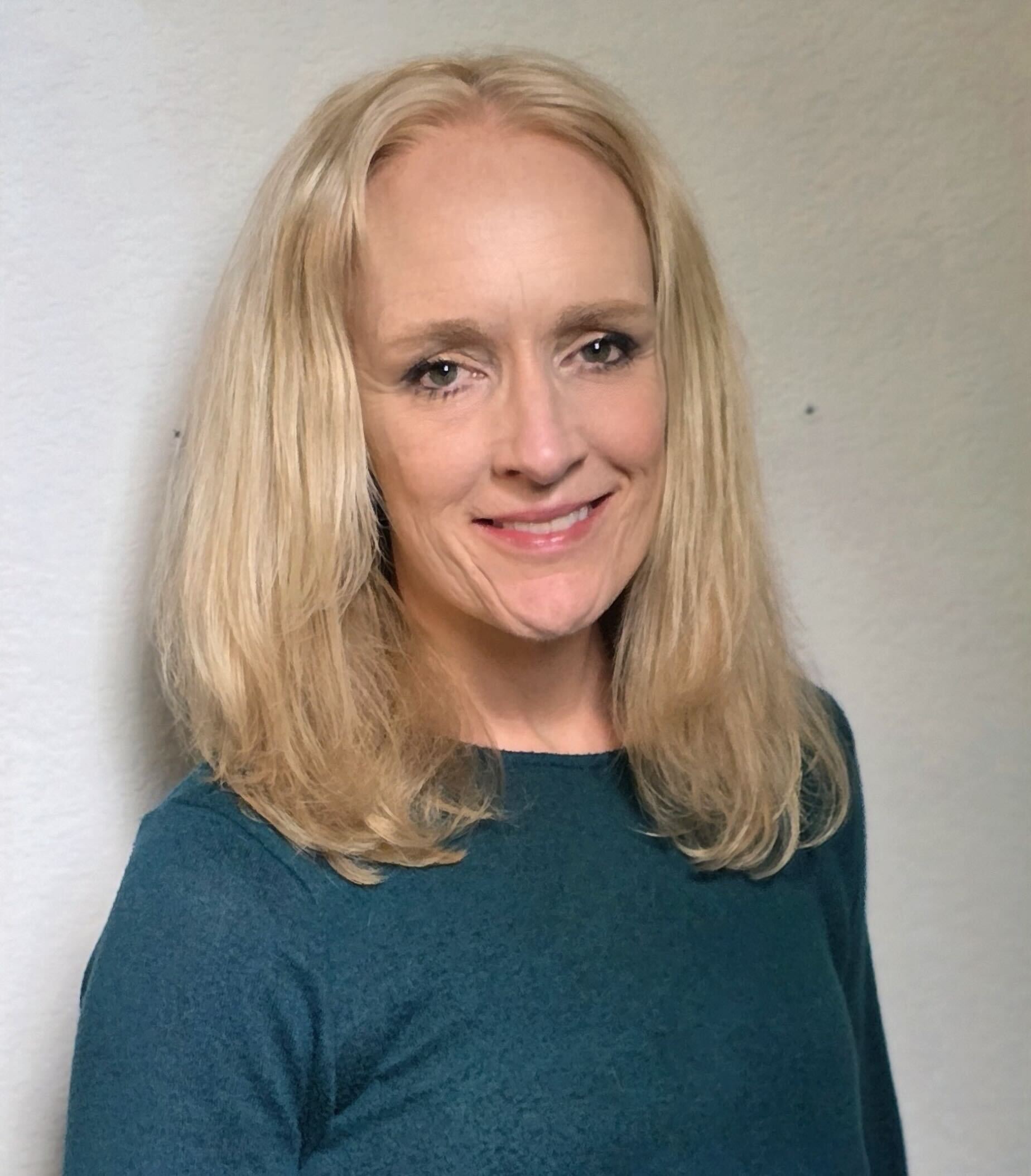
AI in the Newsroom – Riply Media Founder Jen Austin on The Sound Off Podcast
A recurring AI-assisted local news service that delivers broadcast-ready scripts every day. Here is what is in a plan, what it costs, and how stations air it under their own name.
Over the last decade, AI has helped improve podcast production with faster transcriptions, audio repair tools, expedited writing, and more. Between the usual layoffs, the defunding of NPR, the failed shutdown of Voice of America, and the closure of CBS News, it may be time for AI to make its way into news radio. After years of working in the radio industry, Jen Austin founded Riply, an AI production assistant for existing human-created media that helps deliver accurate, hyperlocal news to listeners. She recently joined Matt Cundill on an episode of The Sound Off Podcast to discuss Riply and how AI can actually strengthen local news rather than replace journalists.
Why did you want to get into radio?
I was always a communicator. In high school, the communications teacher encouraged me to join the speech team. I was shy and scared to death, but then thought, “Okay, maybe I do like this.” It brought me out of my shell and helped me in a lot of ways. Then I became a Husker football fan and went to the University of Nebraska, where I also got into speech, communication, and broadcasting. It just kept going, and I kept finding opportunities. So I guess a love for communication and connecting with an audience is what drew me to radio.
Now, I think I have done every day part and have held every role from producer to traffic reporter to voice tracker, midday personality, and so on, but I just always found a way to connect with an audience. That’s what it was really about for me.
At what point in the last 15 or so years was the biggest problem for news radio?
I think it’s been a slow drip with a lot of positions eliminated. At my position at iHeart many years ago, I walked into the HR office, and if you get called in there, you know what’s happening. You’re gonna be laid off. I understand; it’s a business, and they have to find efficiencies and go with those. I think that’s what it’s been about – trying to make radio more efficient, but there’s still a lot of pressure to be plugged in locally at the same time. Every time I think they’re skeleton, bare bones, and they can’t get any smaller, there are more layoffs. It’s been a gradual process over 10 or 15 years.
The appetite and necessity for news in communities has not gone away. How big is the hole in news radio in America right now?
I think it’s huge. CBS was a huge network, and now that’s a big void, and it’s being replaced. ABC and other networks have stepped in in some places, but there’s still a void.
People have relied on these networks for a long time. I remember it was 9/11, ’01, and I was doing the news in Austin on my morning show I was on at the time. As everything was happening, we were trying to process it while doing a show live on the air. We went to that CBS feed eventually, and it was so helpful. It was there when people needed it, a big national feed, and that’s gone. It’s sad as a fan of radio and someone who used or relied on CBS Network in a way. But now, I think there are other opportunities for companies like Riply Media that I’m building to come in and replace some of that. We’ve got national news and local news and can fill some gaps. It’s also very fast. We have new technology now with AI to generate news quickly and to get right in there with coverage immediately.
How long has Riply been in the works?
We’ve been developing and testing it for about 11 months. It’s been a process. You hear about AI technology, and what we’ve done is create a human eye that goes out there and looks around the web for stories, but making that into a logical command and intelligence platform to go out there and look for news. It’s been a project for just under a year, but testing and refining and redoing and finding the best resources, whether it’s a press release from a sheriff’s office or a TV station that we credit, it’s been a process of pointing it in the right direction. But we’ve been able to do that.
Was there a point where you said, “Yeah, I’m going to jump in and do this,” because this is a huge venture?
It is a huge venture, and I realized about halfway in. I knew I just could not do it on my own; it is a logical thing. But immediately the people I connected with on this team liked my experience and my ability, and I liked their experience. We’ve got business leaders on the team, we’ve got me in the radio world, we’ve got marketing and development, and even television and technology represented on our advisory board – everybody brings something different. And so I think it was an easy lift for me to decide to jump in and do it with all of these people around me. Risky, but fun.
Do you have to be a radio station to benefit from Riply?
I don’t think you do! You could use it as a podcaster, for example. It’s just local information that comes back. We have national news, national entertainment, celebrity news, and all the regular show prep stuff, but any podcaster that’s looking to be local and speak to their community can utilize it.
I have a friend who also has a national streaming radio station that he’s thinking about using the product for his national audience. We’ve got state-by-state coverage, so anywhere you are, you can customize it for your area and bring back local content to talk about. It saves a lot of time. I was writing for 2 to 3 hours a day before this, and now, in 15 minutes, I can log in and look to see what’s going on. There it is.
Can you explain how Riply is AI-assisted?
There’s still a huge human component involved in Riply, and I am part of that. We have a team of humans that are steering the technology, it’s not just a freight train that’s running wild everywhere. It’s on the tracks, and we’ve worked with it to develop it.
Anybody goes to any AI engine, like ChatGPT or Claude or Gemini, you give it commands, and it wants to be helpful. You just have to tell it where to go and refine it, and this is similar. We’ve found Riply to be very accurate. We tell it where to go, down a narrow path every day, answer the same questions every time, and come back with the correct answers, which has eliminated the things people tend to fear about AI. Riply is very accurate and very responsibly sourced. We see exactly where the stories are coming from, and that’s stamped on every script that we upload (and that you can download). It’s all very clear, transparent, and accurate.
This is not at all about AI replacing journalism. In fact, I think it makes us better. The technology completes the repetitive tasks so we end up with more time for creativity.
How many sources do you really need to connect to to get good, accurate local information? What happens when there’s no more newspaper and maybe the radio station doesn’t have enough?
We like to have 10 or 15 sources in every market, maybe 50 if it’s a large market. But in the case of a small town, it can be different. I grew up in rural Nebraska, and there was probably one now-defunct newspaper, so I’m used to this small environment. A lot of times in the case of a small town, the chamber of commerce will post and will have a newsroom on their site. Colleges in the area will have newsrooms. Hospitals post press releases. Then, sometimes, like in my little town in rural Nebraska, nothing has happened, so we go out a little bit further and a little bit further. Just as I would as a human, our tool does the same thing. It’s got a radius, and if something is happening, it’ll find it. If there’s nothing happening, it goes out a little bit further geographically.
What should be in a newsroom ecosystem in 2026 in radio?
Everybody’s using AI. It has to be there. A lot of times bigger companies will think, “Well, I’ll just put an intern or a part-timer in that seat,” and they’ll tell AI to “bring me the local news.” It’ll do it, but this employee is going to do the same task over and over, and it’s not going to be any more effective than it was. You have to have some sort of helper there to make it more effective, like Riply. It has the right commands that don’t have to be completed over and over.
You also have to have that local connection. This is what everyone’s looking for, so stations should still be going out in the community, talking to local folks, letting listeners connect and send email tips. Some sort of connection with a newsroom is what people want and what makes them loyal listeners.
What’s the difference between actual local journalism and a content feed?
I would argue local journalism is more creative and more responsibly sourced. To me, the feeds are generic and more one-size-fits-all, where local journalism gets in those niches. There is a better emotional connection for an audience in local journalism, and that’s one thing that really is dear to my heart. I love local journalism, I majored in journalism, and I want all these journalists who have been let go or part of restructuring to have an opportunity too. So, I continue to write and create because I think that’s what people connect to.
Why’d you call it Riply?
I wanted a vision of an ocean, this constant well of information. It’s always there with currents all day and little ripples of information. We want to gather it up, offer it, and capture those waves, and so Riply came from that.
To hear the full conversation, listen to the full episode of The Sound Off Podcast today.
Keep local news on your air
See what daily, human-reviewed local coverage looks like for your market, under your station's brand, not ours.
Book a DemoKeep reading
Riply’s Jen Austin on School for Startups Radio
A recurring AI-assisted local news service that delivers broadcast-ready scripts every day. Here is what is in a plan, what it costs, and how…

Scaling Hyperlocal News Through AI Innovation – Jen Austin on High Velocity Radio
A recurring AI-assisted local news service that delivers broadcast-ready scripts every day. Here is what is in a plan, what it costs, and how…

Sustainable Local News Solutions – Jen Austin on The Entrepreneur’s Logbook
A recurring AI-assisted local news service that delivers broadcast-ready scripts every day. Here is what is in a plan, what it costs, and how…